Atlantic Beach Paver Sealing
Atlantic Beach has a mix of older paver installs near Ocean Boulevard and long-used backyard patios where salt air, humidity, and afternoon storms can age surfaces quickly. HydroSeal restores and seals driveways, entries, and pool decks with prep-first work that keeps color richer and maintenance more manageable. Learn more about our work across Duval County.
What Paver Sealing Does in Atlantic Beach
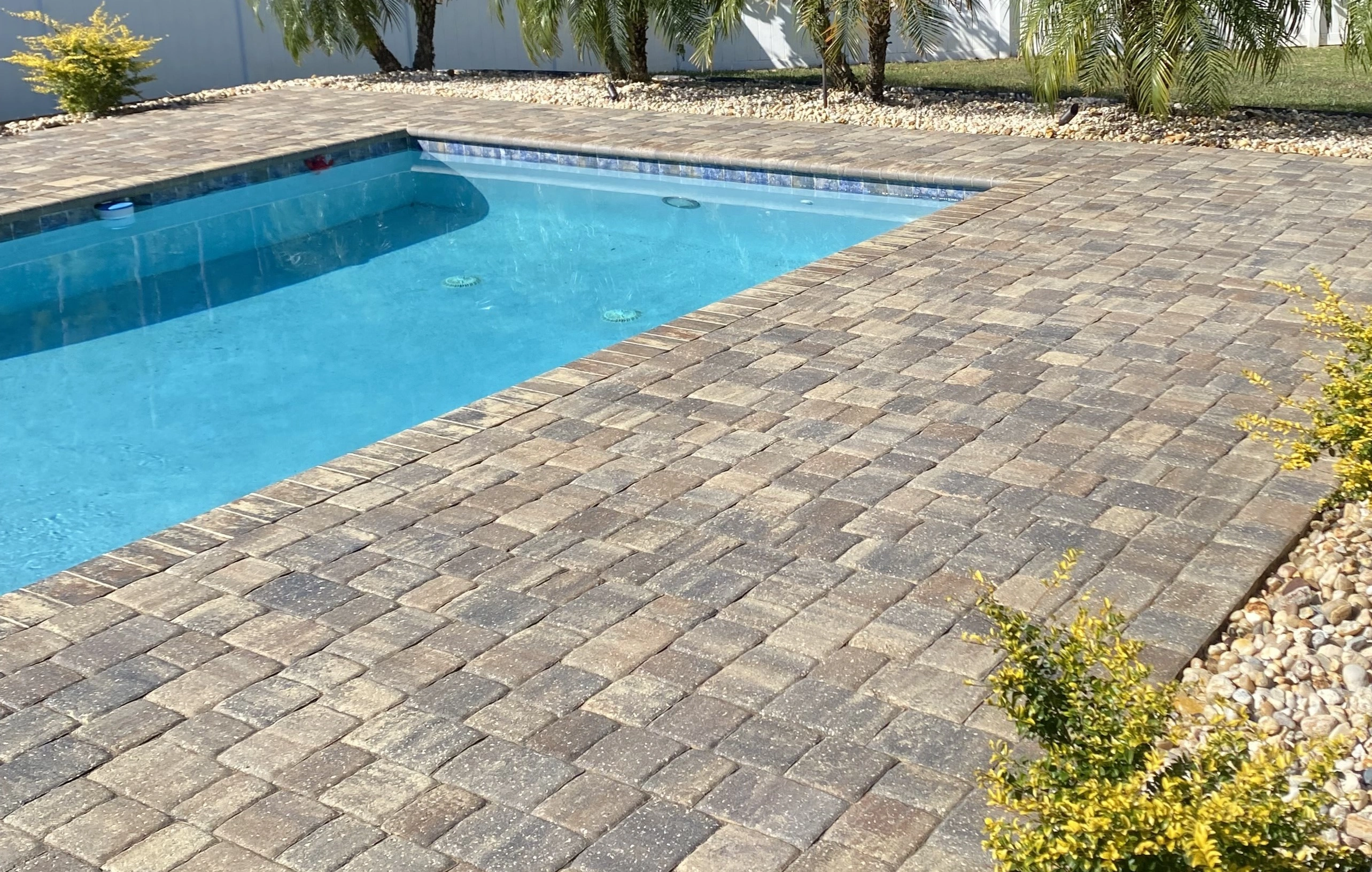
In Atlantic Beach, sealing is less about heavy gloss and more about controlling moisture intrusion and preserving older paver character. We deep-clean, rebuild weak joints, and apply measured sealer coverage so surfaces hold color and resist fast weathering near the coast.
- Enhances color depth for stronger curb appeal at entries and front walks
- Helps stabilize joint sand against rain cycles and irrigation washout
- Reduces absorption so mildew and organic residue are easier to clean
- Protects patios and pool decks that see frequent entertaining
- Supports cleaner reseal cycles over the long term
Why Coastal Pavers in Atlantic Beach Need Extra Protection
Coastal humidity and overnight dew can keep Atlantic Beach pavers damp well into the day, especially on older shaded layouts. Our six-step process prioritizes moisture verification, joint integrity, and uniform application so results hold through storms, heat, and constant outdoor use.
- Inspection: evaluate traffic, shade, drainage, and joint condition for atlantic beach surfaces
- Clean: apply surface-specific chemistry and controlled cleaning for pavers and edges
- Re-sand: rebuild and compact joints using Trident ASTM C144 kiln-dried sand
- Dry & verify: confirm moisture and weather windows before any sealer is applied
- Seal: install even coats with clean transitions across driveways, patios, and pool zones
- Final walkthrough: review cure timing, maintenance tips, and reseal planning
If your pavers are already faded from coastal exposure, ask about our joint sand options and long-term protection through the HydroSeal warranty for qualifying installs.
We also serve nearby Duval communities such as Neptune Beach and Isle of Palms, with broader coverage across Duval County. Homeowners comparing restoration options often review our travertine sealing and joint sand options for long-term performance.
Atlantic Beach Paver Sealing Questions
How long should we stay off sealed pavers in Atlantic Beach?
Most surfaces are dry to the touch in roughly 1–2 hours under good weather. We typically recommend light foot traffic after 2–4 hours and waiting about 24 hours before normal use. For heavier driveway loads, pool furniture, or tight shaded areas, a 24–48 hour cure window is safer in humid conditions.
Does coastal moisture affect paver sealing in Atlantic Beach?
Yes. Coastal humidity, salt air, and sudden rain can accelerate wear and create curing challenges if timing is wrong. We plan around moisture conditions, not just the calendar, so the sealer bonds correctly and cures evenly.
Do you re-sand paver joints before sealing?
Yes, when joints are low or unstable. We remove weak material, install Trident ASTM C144 kiln-dried joint sand, compact it properly, and then seal. Stable joints are critical for limiting movement, washout, and premature wear.
Will sealed pavers be slippery around patios or pool areas in Atlantic Beach?
A properly applied sealer should enhance color without creating an unsafe slick surface. We control application rates and select the right finish profile for each area so patios, entries, and pool zones remain predictable underfoot.
How often should pavers be resealed in Atlantic Beach?
Most properties are resealed about every 2–3 years, depending on sun exposure, traffic, drainage, and previous maintenance. Open driveways and high-use entertaining areas may need attention sooner than shaded or lightly used sections.
Should we restore and reseal existing pavers or replace them?
In many cases, restoration and professional sealing is the better value when the base is still sound. Cleaning, joint rebuilding, and proper sealing can significantly improve appearance and performance without the cost and disruption of full replacement.