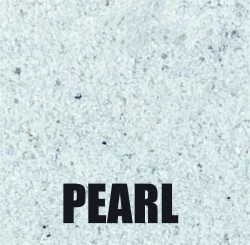
Pearl
Best for light travertine and pale pavers that need a clean, low-contrast finish.
Pool decks live in a different environment than driveways — constant water, sunscreen oils, bare feet, and shade that keeps surfaces damp longer. That changes how we clean, what we apply, and how we apply it. The goal is a finish that looks premium, stays cleaner longer, and doesn't become a slip hazard. We see these same challenges on coastal pool decks in Jacksonville Beach, Ponte Vedra Beach, and planned communities like Beachwalk.
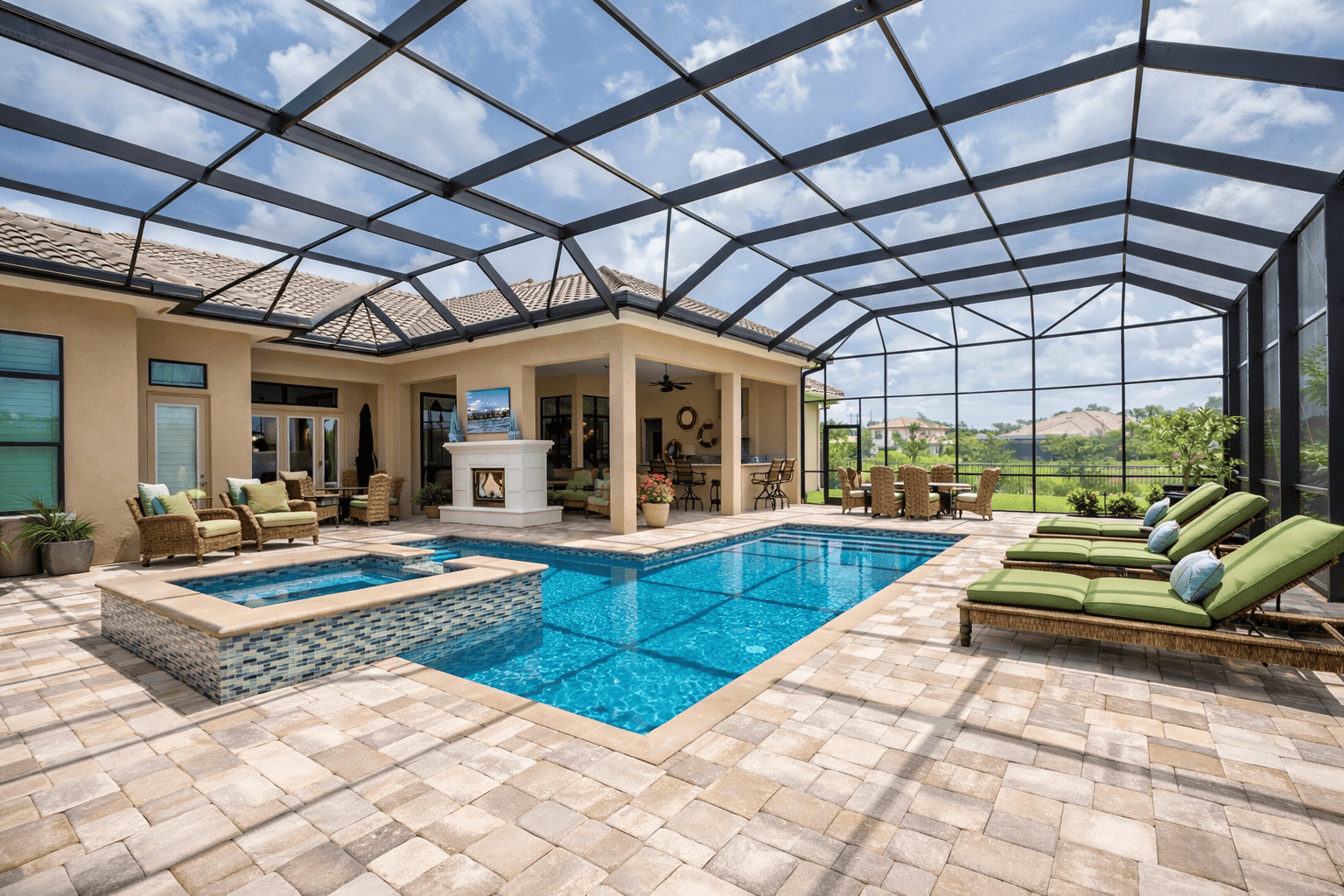
Sealing helps protect pavers from water intrusion, staining, and joint sand loss—while giving a cleaner, more uniform look. You’ll spend less time fighting algae and dark spots, and more time enjoying the pool.
Efflorescence is the white, chalky haze you’ll sometimes see on pavers—especially newer installs or areas with frequent moisture. It’s caused by salts migrating to the surface as water moves through the paver and evaporates.
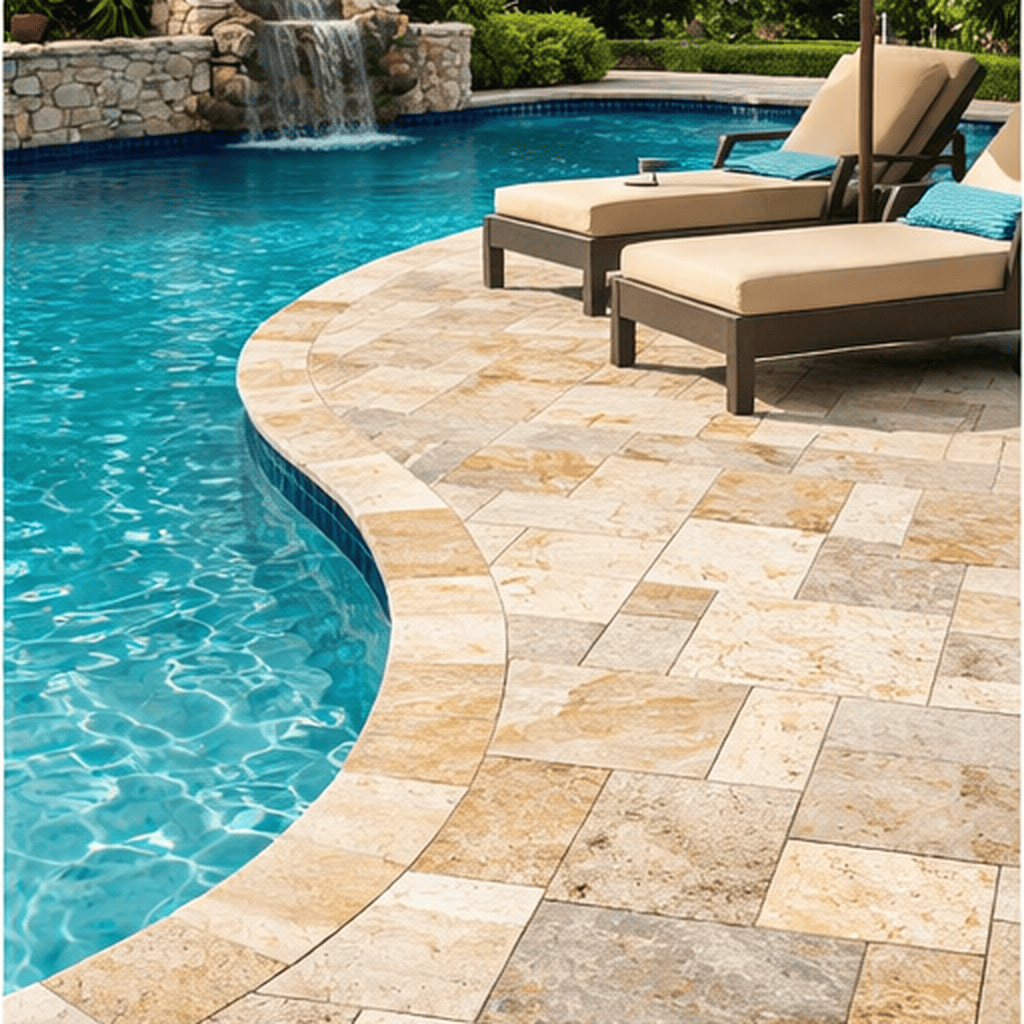
Pool decks are different than driveways: constant water, sunscreen oils, algae growth, and safety concerns. The goal is a deep clean, stable joints (when applicable), and a controlled sealer application that looks premium and performs around the pool.
We inspect the surface, coping zones, drainage/low spots, and high-traffic walking paths for algae film, sunscreen/oil staining, rust spots, old coatings, and areas that stay damp.
We treat algae/mildew and organic staining using a controlled process so results stay cleaner longer in Florida humidity.
We deep clean to remove sunscreen oils, embedded grime, algae film, and discoloration, while controlling overspray and runoff near the pool.
We address rust spots, stubborn dark areas, and low zones that hold water, and explain options if old coatings are failing so you don’t lock in a bad look.
Pool decks stay damp longer (shade/screened enclosures). We verify dry conditions and apply controlled coats for an even finish without puddles, streaks, or tacky spots.
We finish with a walkthrough and clear return-to-use guidance. Most pool decks need ~24 hours for foot traffic and 24–48 hours before normal pool use, depending on humidity and airflow.
We inspect the surface, coping zones, drainage/low spots, and high-traffic walking paths for algae film, sunscreen/oil staining, rust spots, old coatings, and areas that stay damp.
We treat algae/mildew and organic staining using a controlled process so results stay cleaner longer in Florida humidity.
We deep clean to remove sunscreen oils, embedded grime, algae film, and discoloration, while controlling overspray and runoff near the pool.
We address rust spots, stubborn dark areas, and low zones that hold water, and explain options if old coatings are failing so you don’t lock in a bad look.
Pool decks stay damp longer (shade/screened enclosures). We verify dry conditions and apply controlled coats for an even finish without puddles, streaks, or tacky spots.
We finish with a walkthrough and clear return-to-use guidance. Most pool decks need ~24 hours for foot traffic and 24–48 hours before normal pool use, depending on humidity and airflow.
Best for light travertine and pale pavers that need a clean, low-contrast finish.
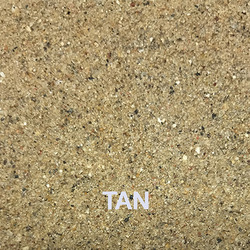
Best for warm-toned driveways and patios where you want a timeless, natural blend.
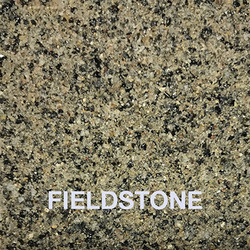
Best for mixed-color pavers and projects where subtle variation helps hide dust.
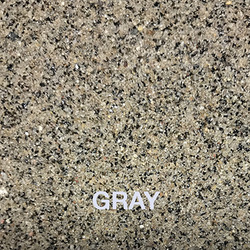
Best for cooler gray pavers and contemporary homes seeking balanced contrast.
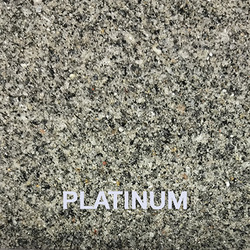
Best for silver and coastal color palettes that benefit from a brighter, modern finish.
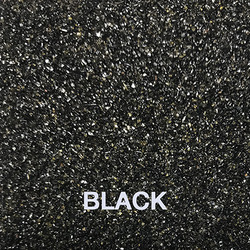
Best for high-contrast borders and bold design lines on lighter paver fields.
Answers from a Trident Master Certified Paver Sealing Company serving Jacksonville, FL and surrounding areas.
Yes — when the correct system and moisture control are used. Saltwater pools create constant salt splash-out and evaporation, which accelerates wear if pavers are sealed improperly.
The biggest failures near pools come from sealing over moisture or rushing cure time. We ensure surfaces are truly dry, joints are stable, and sealers are applied in controlled coats so they perform under Florida pool conditions.
It can — but it’s avoidable. Slippery pool decks are almost always caused by the wrong finish or over-application. Pool decks are treated differently than driveways: we select pool-appropriate finishes and avoid “wet look” buildup in walking areas.
With process discipline. Pool issues don’t come from sealing — they come from careless application. We control overspray, protect coping and waterlines, and manage rinse water so it doesn’t flow toward the pool.
Cure time depends on humidity, shade, and airflow — screened pool decks often take longer. Typical guidance (confirmed on-site):
Water-based sealers offer lower odor and a more natural look. Solvent-based systems can enhance color more aggressively on certain surfaces. The key isn’t the product — it’s matching the system to the surface and conditions.
Longevity depends on traffic, sun exposure, drainage, and maintenance. Driveways in full sun wear faster than shaded patios. We recommend maintaining and recoating before total wear-through — maintenance beats rehab every time.