Professional Paver Sealing in Clay County
Clay County has its own paver challenges compared with the coast: established neighborhoods with mature oak canopy, slower dry-out times after storms, and frequent irrigation patterns in community developments. In areas like Fleming Island, Eagle Harbor, and Green Cove Springs, that moisture profile encourages algae and joint erosion long before major color fade appears. Localized sealing and joint restoration keeps surfaces stable, cleaner, and safer without over-applying product.
1) Organic Growth & Bio-Buildup
Clay County’s tree canopy traps humidity and keeps surfaces damp longer after rain. That creates ideal conditions for algae and mildew to take hold. We treat the surface before sealing — not just pressure wash over it — so you’re not sealing growth in rather than out.
2) Joint Sand Washout
Heavy Florida downpours pull joint sand out over time. Once joints are thin or open, weeds move in and ants tunnel underneath — and what started as a maintenance issue becomes a structural one. We reset joints with ASTM-C144 graded sand before sealing so the surface is stable, not just clean.
3) UV Fade & Color Loss
Even in shadier Clay County neighborhoods, Florida sun eventually flattens paver color. A proper sealer restores depth and keeps the surface looking even — without the over-glossy finish that looks cheap a year later.
4) Pool Decks & Natural Stone
Pool decks need the right product and the right application — too much sealer in the wrong place creates slippery, tacky surfaces. We adjust product selection and method for pool environments so the finish is clean, safe, and built to last.
Featured Areas
Select your community below to see local service details and HydroSeal recommendations for Clay County conditions.
Fleming Island
Waterfront-adjacent neighborhoods where humidity and irrigation accelerate growth.
View neighborhood pageOakleaf Plantation
Expanding community with busy driveways and frequent washout at joints.
View neighborhood pageOrange Park
Older tree-lined properties that hold moisture and organic staining.
View neighborhood pageMiddleburg
Larger properties with strong UV exposure and weather-driven surface wear.
View neighborhood pageMore Clay Communities
Green Cove Springs
River-influenced conditions where moisture management drives maintenance timing.
View neighborhood pageDoctors Inlet
Shaded streets and damp conditions that need thorough prep before sealing.
View neighborhood pageEagle Harbor
Amenity-focused homes with decorative pavers and drainage-sensitive areas.
View neighborhood pageEagle Landing
High-use patios, pool decks, and walkways that benefit from routine resealing.
View neighborhood pagePaver Sealing Services
Deep Cleaning, Joint Sand Reset, and Professional Sealing Designed for Florida Sun, Rain, and Daily Wear.
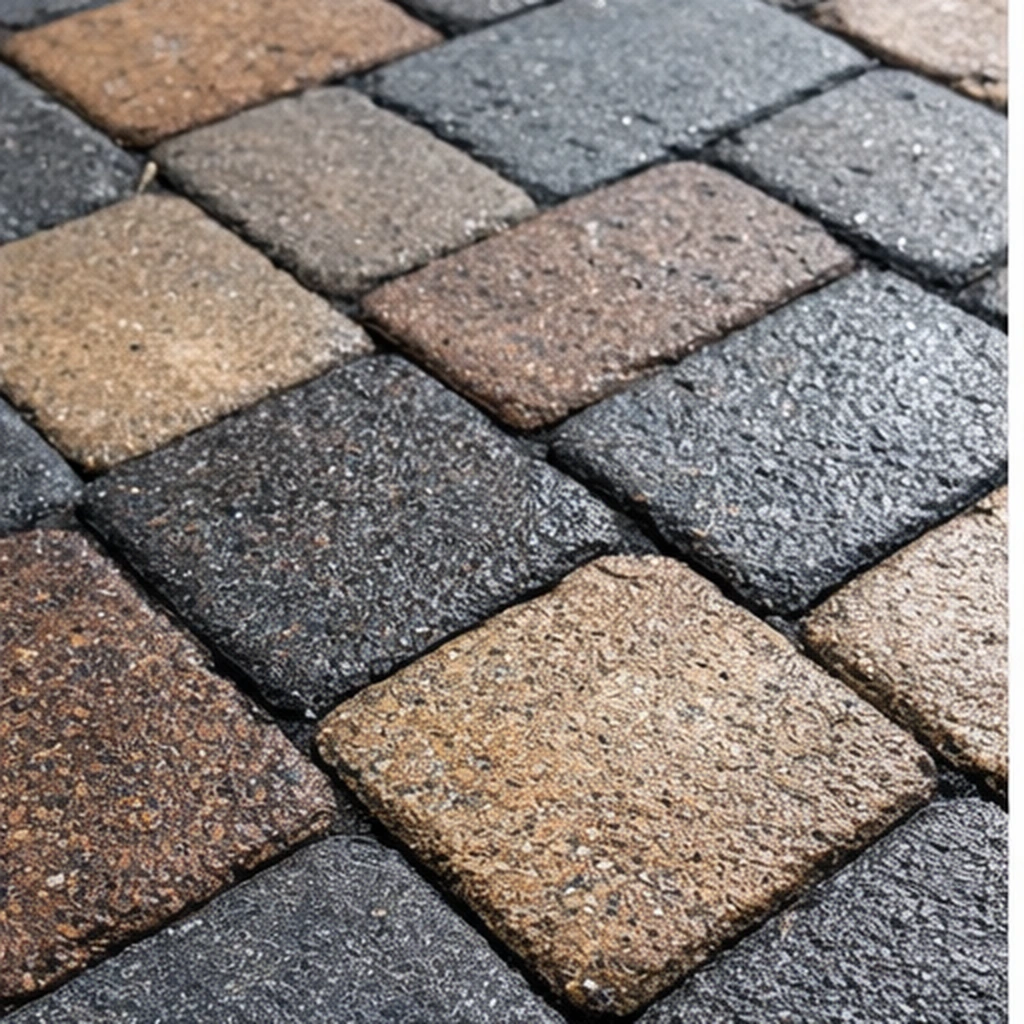
Paver Driveways
Deep clean + joint sand stabilization + premium sealing for curb appeal and long-term protection.
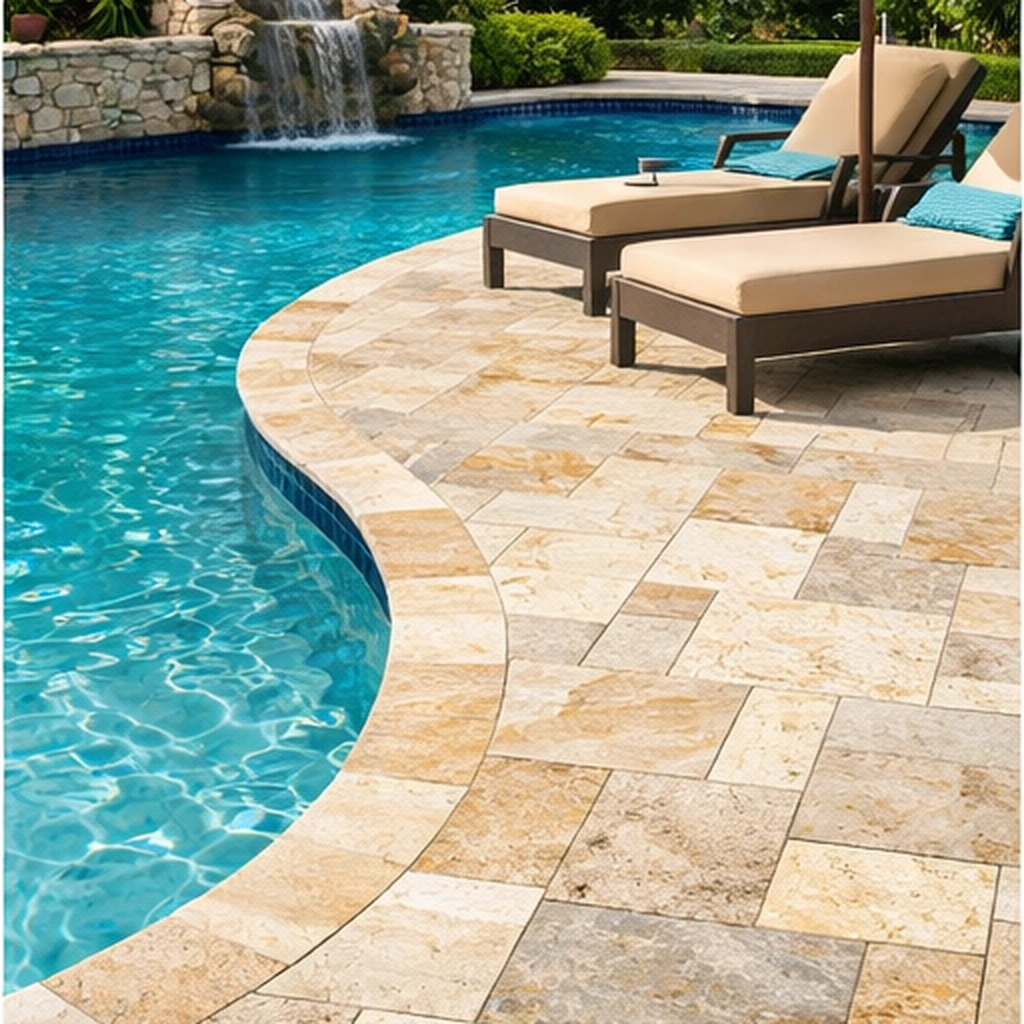
Pool Decks
Cleaner look, easier maintenance, and surface protection where water and pool chemicals matter most.
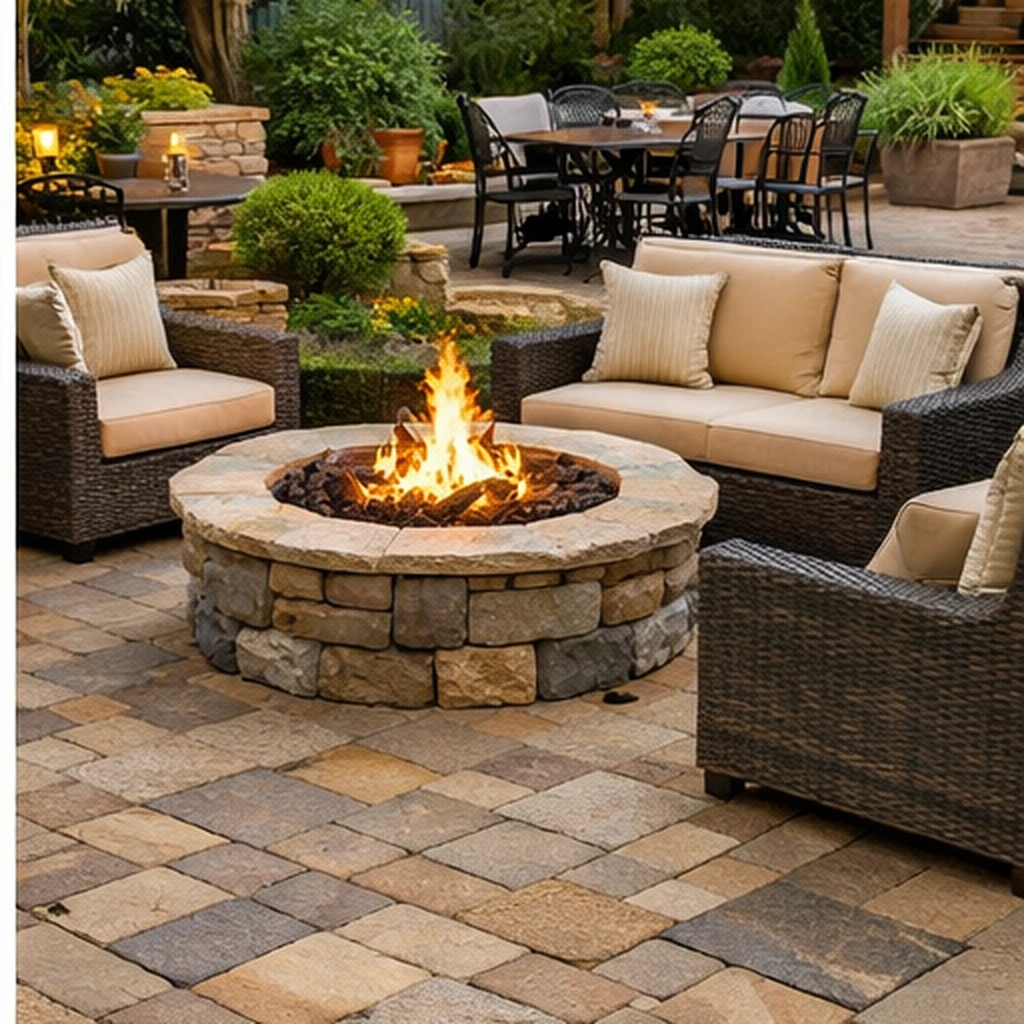
Patios & Walkways
Even finish, stabilized joints, reduced weed growth, and better long-term appearance.
Paver Sealing FAQ — Clay County
Straight answers to the questions homeowners ask before sealing a driveway, patio, or pool deck in Clay County, FL — including Orange Park and Green Cove Springs.
How often should pavers be sealed in Clay County (Orange Park + Green Cove Springs conditions)?
Most homeowners in Clay County reseal every 2–3 years, but timing depends on sun exposure, sprinkler overspray, drainage, and traffic. Driveways in Orange Park that get full sun and daily parking usually wear faster than shaded patios. In Green Cove Springs, damp/shaded areas can need earlier maintenance to reduce organic staining.
The smart move is to recoat before total wear-through. Once protection is gone, you typically need heavier prep to restore even color and bonding.
Will sealing help with oil spots, rust marks, fertilizer stains, and algae in Clay County?
Sealing helps reduce absorption and makes cleanup easier — especially for common issues in Orange Park and Green Cove Springs like oil drips, rust staining (metal furniture, irrigation parts, fertilizer), leaf tannins, and algae/mildew in shaded areas.
It does not make pavers “stain-proof.” Results come from good prep plus simple habits: rinse periodically, clean spills early, and avoid harsh degreasers that strip protection.
Do you re-sand the joints in Clay County — and do you use polymeric sand?
Yes — joint stability matters. In Clay County, heavy rain and sprinkler cycles can wash out joint sand faster than people expect, especially on driveways with slope or hard runoff.
We remove failing joint material and re-sand using ASTM C144 joint sand (with color options when appropriate). If polymeric sand is a good fit for your joint size and drainage behavior, we’ll recommend it — but we don’t force polymeric where it’s likely to crack, haze, or fail. The goal is stable joints, clean lines, and long-term performance.
Can you clean and seal pavers the same day in Orange Park or Green Cove Springs?
Often, yes — especially in spring and summer when conditions are hot and dry. But we won’t force a one-day schedule if the surface is holding moisture, the area is heavily shaded, or rain is too close. Rushing is how you get whitening/haze, tacky spots, and uneven finish.
If conditions require it, we extend dry time or split the job into 2 days for proper moisture control.
Does sealing make pavers slippery — especially on pool decks?
It can if the wrong finish is used or the sealer is over-applied. Slippery areas usually come from puddling or “wet look” buildup in walking zones.
Pool decks and walkways require a more careful approach than driveways. We apply controlled coats and can recommend traction-friendly options where safety matters most.
What’s the biggest mistake homeowners make before sealing pavers in Clay County?
Waiting until the joints are already washed out and the pavers start moving. Once joints fail, you get shifting, weed growth, ant tunneling, and faster surface wear.
Sealing is protection — it does not fix base or structural issues. If we see sinking, rocking, or drainage problems, we’ll tell you the right fix first so you don’t pay for a seal on a surface that isn’t stable.
Get Your Paver Sealing Quote Today
Book a Clay County assessment and we'll recommend the right cleaning, joint sand reset, and sealer plan for your surface.